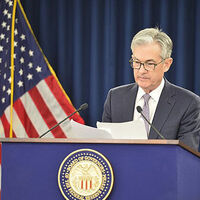


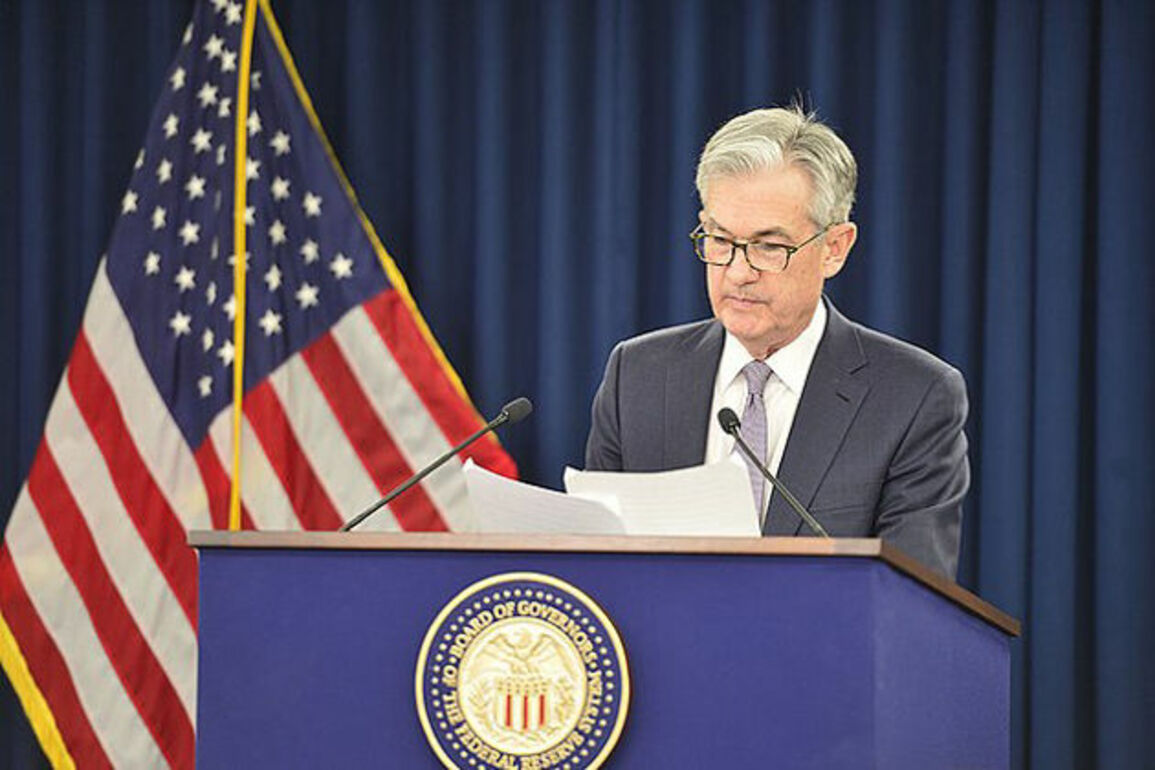
WASHINGTON, D.C.: Jerome Powell's tenure as Federal Reserve chair is drawing to a close, ending a period defined by clashes with political leaders, historic crisis management, and ongoing debate over how far the central bank should go in shaping the U.S. economy.
From his appointment in 2018 to his final expected policy meeting this week, Powell's time at the Fed has been marked by tensions with President Donald Trump, bold responses to the COVID-19 pandemic, and difficult decisions during a surge in inflation.
Powell, originally appointed to the Fed's board by former President Barack Obama, was elevated to chair by Trump. The relationship quickly deteriorated as Powell continued raising interest rates in line with existing policy, despite Trump's objections.
"I don't like all of this work that we're putting into the economy, and then I see rates going up," Trump said early in Powell's tenure.
Powell's own remarks at times rattled financial markets. In 2018, he said the Fed was "a long way" from a neutral rate, and later described balance sheet reductions as "on automatic pilot," comments that fueled volatility and drew further criticism from the White House.
The defining chapter of Powell's leadership came during the pandemic. As the economy faltered in early 2020, the Fed slashed interest rates to near zero, launched massive bond-buying programs, and introduced emergency lending facilities in coordination with the Treasury.
"We crossed a lot of red lines," Powell said during an event at Princeton University in May of 2020. "This is that situation in which you do that, and you figure it out afterward."
Those policies helped stabilize financial markets and avoid a deeper economic collapse, but they also became a source of criticism as inflation surged in the following years. Powell and other officials initially described rising prices as "transitory," a characterization he later acknowledged was a mistake.
The Fed responded with aggressive rate hikes starting in 2022, as inflation reached a 40-year high. Powell warned that tightening policy would come at a cost.
Rate increases would "bring some pain," he said at the Fed's Jackson Hole conference, referring to slower growth and potential job losses.
Despite the tightening cycle, Powell largely avoided a recession. Unemployment averaged about 4.6 percent during his tenure, one of the lowest sustained levels in recent decades, even as inflation averaged above the Fed's 2 percent target.
Debate over his record remains divided. Critics, including Fed chair nominee Kevin Warsh, have argued that the central bank's earlier stimulus contributed to inflation and reflected political overreach. Others credit Powell with navigating an unprecedented crisis while maintaining economic stability.
Powell's final months have again unfolded under political pressure. A Justice Department investigation into the cost of renovating the Fed's headquarters, which opened last year, was closed last week, removing a key obstacle to leadership changes at the central bank.
In January, Powell defended the Fed's independence in a rare public response.
The probe was "a consequence of the Federal Reserve setting interest rates based on our best assessment of what will serve the public, rather than following the preferences of the President," he said.